It's all about people: Stef Casey
With our MEET US series, we want to introduce you to members of our community — from north to south and east to west, from the more outspoken ones to those working behind the scenes, and from the younger ones to the bestagers :)
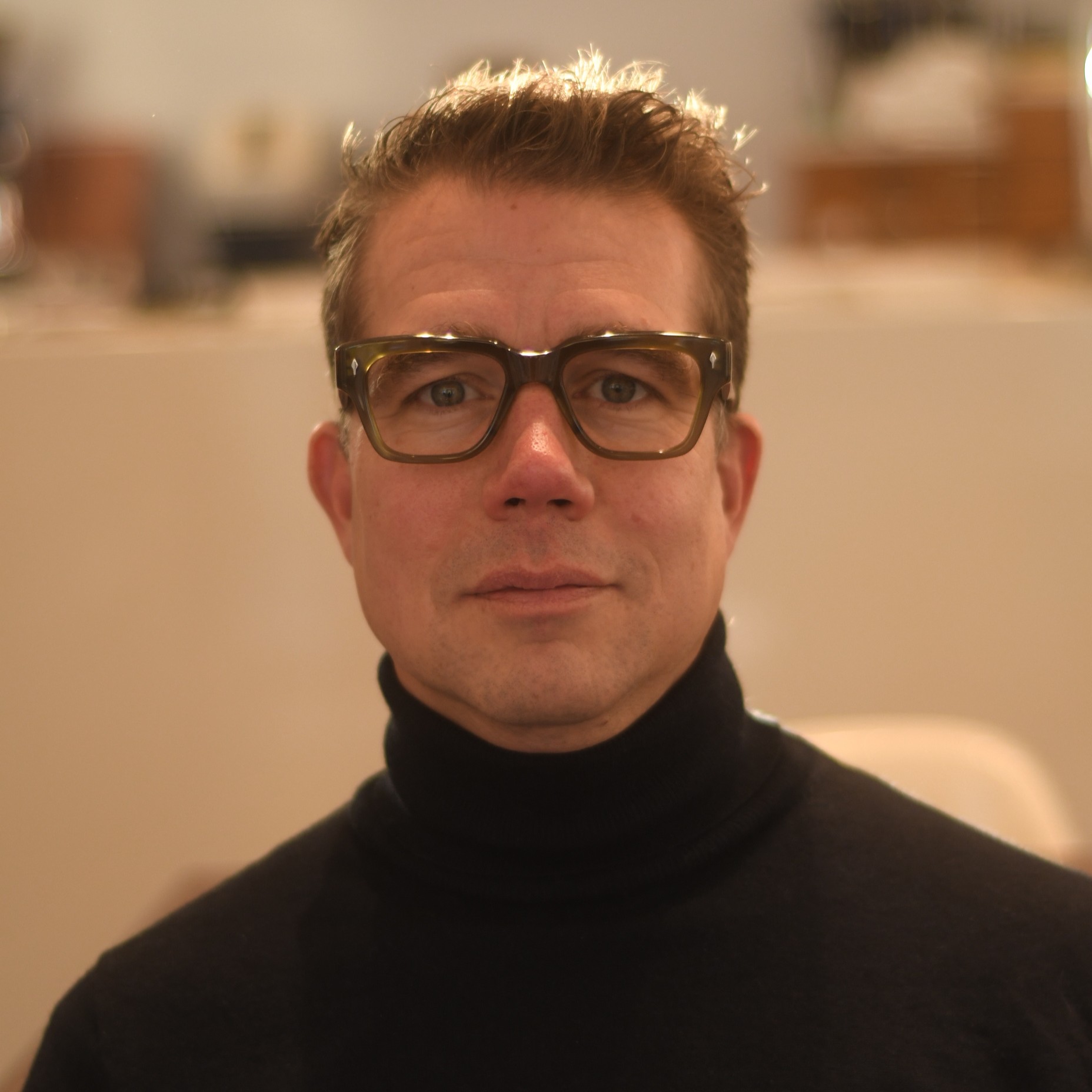
Stef describes himself in three words: Caretaker. Disruptor. Believer. After a career inside Nestlé moving global brands off single-use plastic and onto fibre, he founded Lightning Tree, a network of senior, ex-brand leaders who've actually lived inside the businesses they now advise. As an EPDA Ambassador, he's bringing that same energy to the UK: championing design agencies and the wider packaging value chain, and proving that "safe" doesn't have to mean boring.
1. Who are you in three words?
Caretaker. Disruptor. Believer.
2. Is there a recent project, trend or experience that has inspired or surprised you?
Building Lightning Tree — a network of senior, ex-brand leaders who've actually lived inside the businesses they now advise, not another graduate-led consultancy. What's surprised me is how fast AI-generative design and connected, phygital experiences are moving from novelty to necessity.
Design has to be the guardian of this shift. The mundane gets automated, and creative thinking finally becomes the whole point, not a nice-to-have.
3. If you could collaborate with any brand, past or present, which would it be and why?
Three, if I'm honest, because safe was never the brief for me. First: someone who's built a career on the idea that sustainability and profit can't mix — I'd love to prove them wrong with the numbers.
Second: Pepsi, because they have always had more rock'n'roll than the ones in red. But both equally embrace innovation and design at the heart of their thinking. I just feel Pepsi is more willing to make bolder decisions.
Third, just for the joy of it: Snoop Dogg, that confidence, meeting serious design thinking. Different reasons, same instinct.
Think Differently. Everything Is Possible™. That's not just my mantra; it's the filter I use to pick who I work with. Too many brands, big or small, bury their heads and toe the line because it feels safer. But safe doesn't have to mean boring.
4. What are the biggest challenges currently facing the brand and packaging design industry?
An identity crisis, and design isn't alone in it. Advertising, consultancies and technology are all encroaching on ground that used to be ours — time to get sharper about what only design can do.
Layer AI on top of the sustainability shift I've lived through — plastic to fibre, at scale, without breaking cost or shelf appeal — and the pace has outrun the old ways of doing business.
Packaging has always been the original media channel, and I have been very vocal about this for more than a decade; now it's genuinely connected. Brands that follow the herd keep losing ground to retailers. The bolder ones turn packaging into a real conversation and go out and see it happen in real life, not on a screen.
5. What advice would you give to someone starting a career in brand and packaging design?
One of the most rewarding, diverse roles out there — materials science, trailblazing design, psychology, and much more all in one profession. Talent comes in every shape, size, creed and age; that mix is what businesses lose when they chase systems over people. And go stand inside a brand before you ever advise one — that's where the real learning happens, not a graduate scheme. Balance wins.
6. What do you enjoy doing when you're not thinking about design or business?
I'm forever curious and easily distracted by new technology and creative ideas, so structure and routine keep me grounded. I travel constantly, for work and pleasure — meeting people and new cultures makes the work better too.
But nature, family, and friends are what really fuel my curiosity, and why I want the giants of industry to remember we're all human, not just headcount. Companies that get this reap the rewards in output and creativity.
7. What has been the biggest benefit or highlight of being an EPDA member?
The people. EPDA's events bring a like-minded, can-do energy the industry badly needs right now. Being UK Ambassador sits alongside the relationships I value most — the RCA's Design for Good programme, and my advocacy for accessible design with the RNIB.
I am looking forward to Athens (EPDA Conference, 12 - 14 November 2026) where the story continues from Helsinki, and I will be at London Packaging Week next week and meet up for more insights and reasons to become an EPDA member.
8. Which conversation at an EPDA event has had a lasting impression on you?
Helsinki, this year. Three moments stayed with me: Oona Horx Strathern's call to take a leap of faith and believe in people and kindness; Javier Jaén's audacity — proof no machine can touch real instinct; and street artist David Speed, who reminded me that ideas and creativity have always been my superpower.
So that's what I'm looking for now: collaborative partnerships of great minds, doing something different. Let's do it the proper way. Human-to-human.