Why your design decisions matter more than you think
At EPDA, we believe great branding doesn't stop at concept. It lives through every touchpoint — including the way colour appears, behaves, and is perceived in the real world.
That's why we are launching a new editorial series together with our industrial partner hubergroup, exploring the many factors that influence brand colour reproduction and perception across packaging and print production.
Led by Thomas Polster, the series will describe key parameters and variables that affect brand colour consistency in offset, gravure, and flexographic printing — so that brand colours appear more consistent on store shelves in the future.
Thomas Polster, Global Key Account Manager at Hubergroup, presenting on the challenges of colour consistency in industrial print production at the EPDA conference in Hamburg.

Why colour consistency is more complex than it seems
As designers, you spend countless hours selecting the right colour. The perfect red. The exact blue that carries trust, emotion, recognition.
And then, one day, the brand manager calls and says: "Why does our colour look different on the shelf?"
Brand colour consistency is not only decided in the pressroom. It starts with you — with the design decisions made long before production begins.
Colour is not just a value in a design file. It's a chain of decisions stretching from concept to material to light — and every weak link shows up in the final result.
Over the coming posts, this series will explore why:
• The same colour can be technically correct and still look visually wrong
• Lab values don't guarantee visual consistency
• Substrate, gloss, and lighting can change perception more than you expect
• "It looked right on screen" is one of the most expensive sentences in branding
Beyond technical printing: understanding perception
This series isn't about placing the blame on designers, printers, or production teams. It's about strengthening design decisions through a deeper understanding of how colours behave throughout the production chain — a process in which every professional involved works with the utmost expertise, yet often in isolation from one another.
If you define brand colours, you already influence:
• How products are recognised on shelf
• How brands feel across touchpoints
• How many costly adjustments and discussions happen later
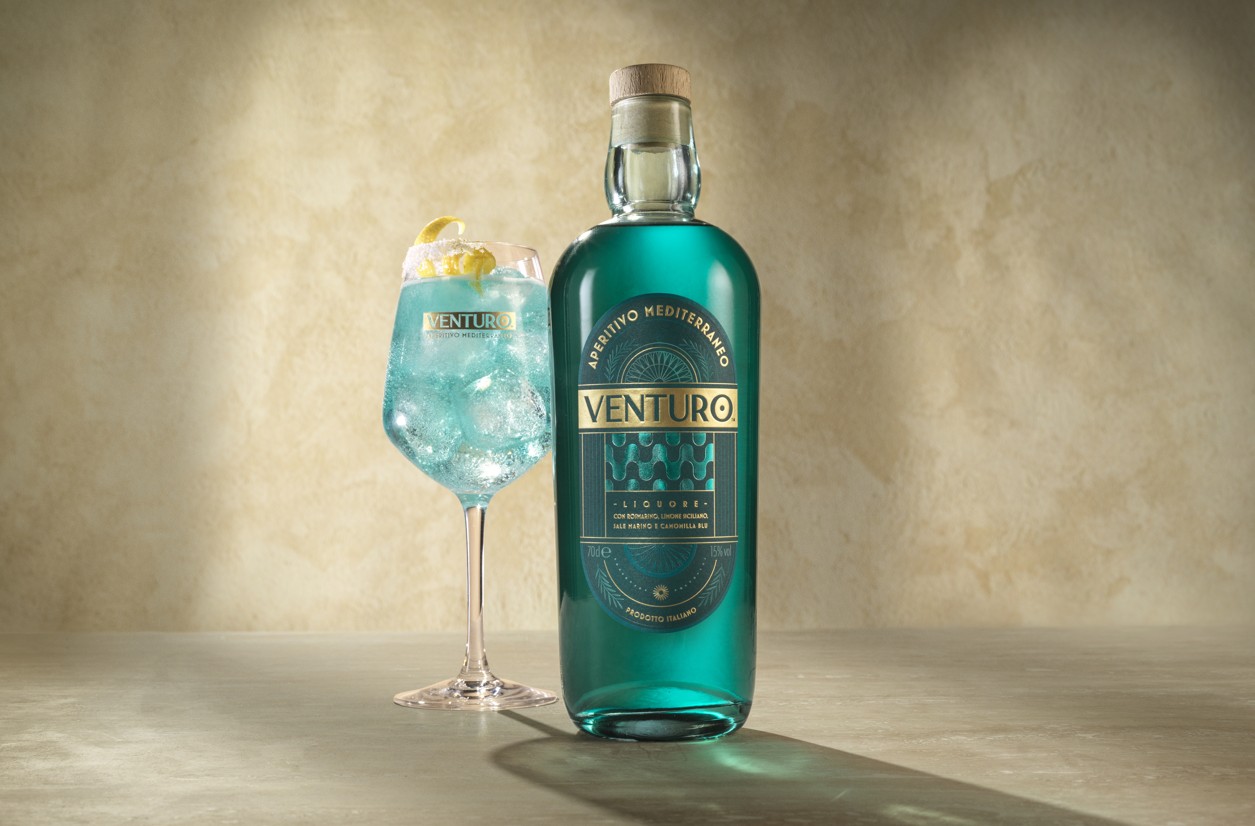
Guest perspective: Lisa Cain
Lisa Cain is a design strategist and writer specialising in sustainable packaging. With over 30 years' experience leading creative and technical teams worldwide, she explores how design, innovation and sustainability shape the future of packaging. Follow Lisa's work and insights on LinkedIn.
"Over the past 30+ years, I've managed packaging design teams working with global brands across food, beverages, beauty, personal care and luxury lifestyle, across pretty much every substrate imaginable. Colour consistency has been one of the biggest challenges throughout my career, whether working on everyday commodity food products or luxury tableware.
That challenge becomes even more visible when the colour itself is one of the brand's most recognisable assets. Tiffany Blue is recognised around the world, yet maintaining that recognition across different formats, materials and suppliers is far more complex than matching a swatch.
Many brands run through global supply chains with different converters, printers and suppliers spread across multiple markets. One pattern I see repeatedly is how many unplanned references appear in a project. An old print run, laptop PDFs, phone snapshots from a factory visit. None of those were meant to be the master, but they still end up steering decisions when teams are busy and spread across time zones."
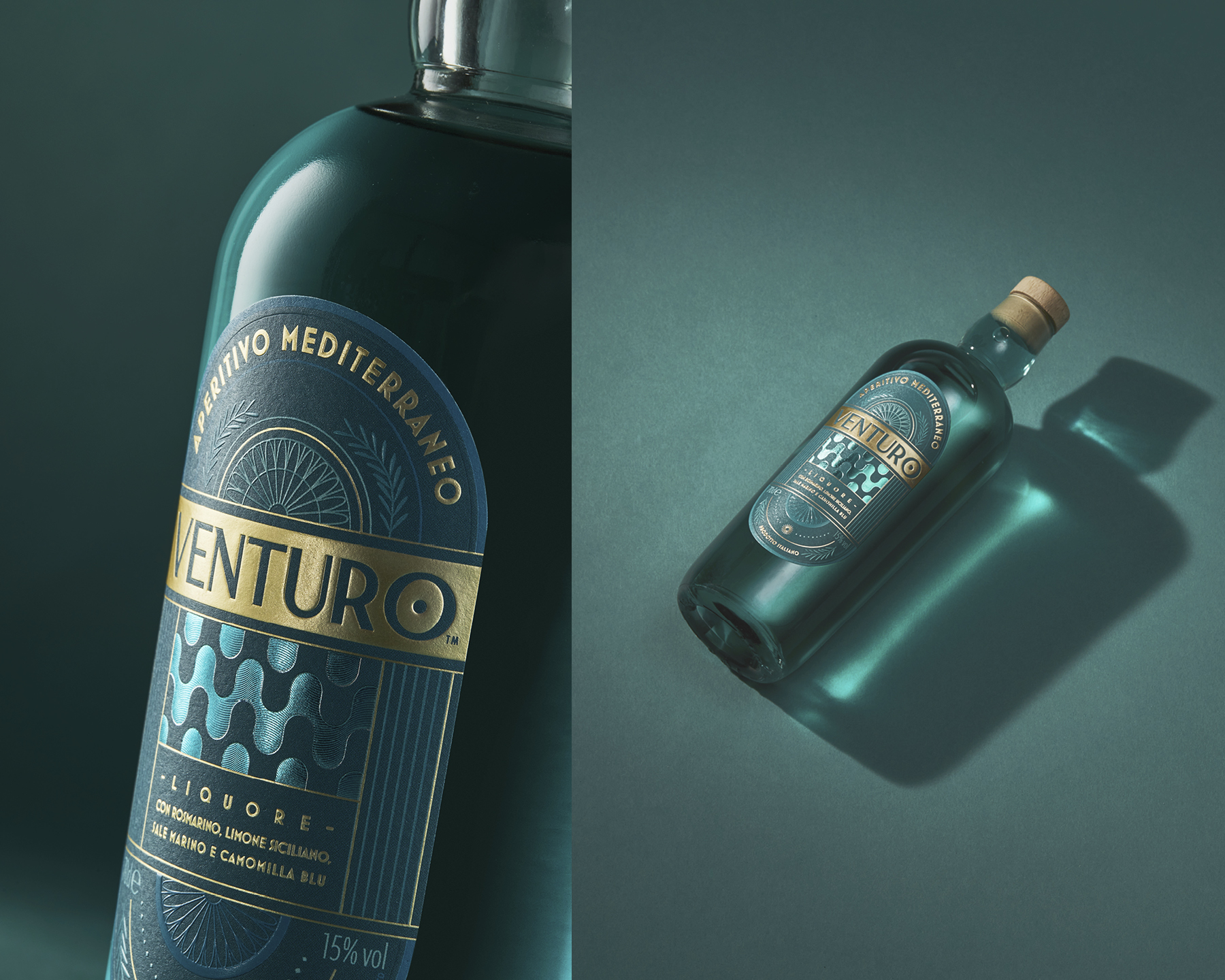
"Layer in different substrates, pack formats, print processes and suppliers, and the same brand colour can start looking slightly different from one market to the next. Before long, everyone is confidently comparing against a different version of the same colour.
I've seen plenty of projects where nobody made a wrong decision, yet the shelf still ended up telling a different story.
Because great brand colour doesn't happen by accident. It is designed — with intent."
***
As an EPDA member, you can benefit directly from Thomas Polster's extensive knowledge and expertise in colour reproduction and print production. Thomas welcomes contact requests and is available to support your specific projects and questions.
Contact Thomas at Thomas.Polster@hubergroup.com or on +49 170 330 91 64.
***
BRAND COLOUR CONSISTENCY SERIES → COMING NEXT
Colour selection, colour communication & colour matching
Problems usually arise less from printing itself — and more from unclear references and communication. In the next article, we will cover:
• Clear reference standards
• Physical masters and drawdowns
• Press proofs
• How communication decisions shape final colour outcomes