3 ways dupe culture is changing branding
Today’s dupe culture is not the same as in the past.
Before, dupes were literal knockoffs of luxury or premium products. They were either counterfeits sold to unknowing consumers or they were imitations designed to look convincing enough that shoppers could playact at owning the real thing.
Now consumers aren’t being duped by dupes - they’re actively seeking them out. Modern dupes are inspired by existing products and even have very similar packaging, but they aren’t being passed off as the real thing. The brands producing them have their own name, as do the products. And crucially, consumers aren’t embarrassed by or trying to hide that they’re buying an accessible version of a coveted product.
A survey by First Insight found that 47% of consumers have tried private label products specifically because they were dupes of name-brand items.
Especially popular among younger consumers, dupe culture ultimately comes down to value. Even if a customer can afford the original product, they often choose a dupe instead because they see more value for their money - especially if the formula, longevity or performance is similar.
71% of Gen Z said they sometimes or always buy cheaper versions of name-brand products in a survey by YouGov and Business Insider.
Barclays also reported that more than a quarter of UK shoppers say they've bought a skincare or makeup dupe, rising to 44% among 18-34 year olds.
Polarising as it is, dupe culture is changing branding beyond just offering cheaper versions of existing products.
1. The stepping stone
Some brands use dupes as a stepping stone towards launching their own successful, original products. The dupes almost act as a proof of concept that demonstrates that the brand can deliver the goods, while also helping the brand gain initial traction by trading off existing products that customers are familiar with and looking for.
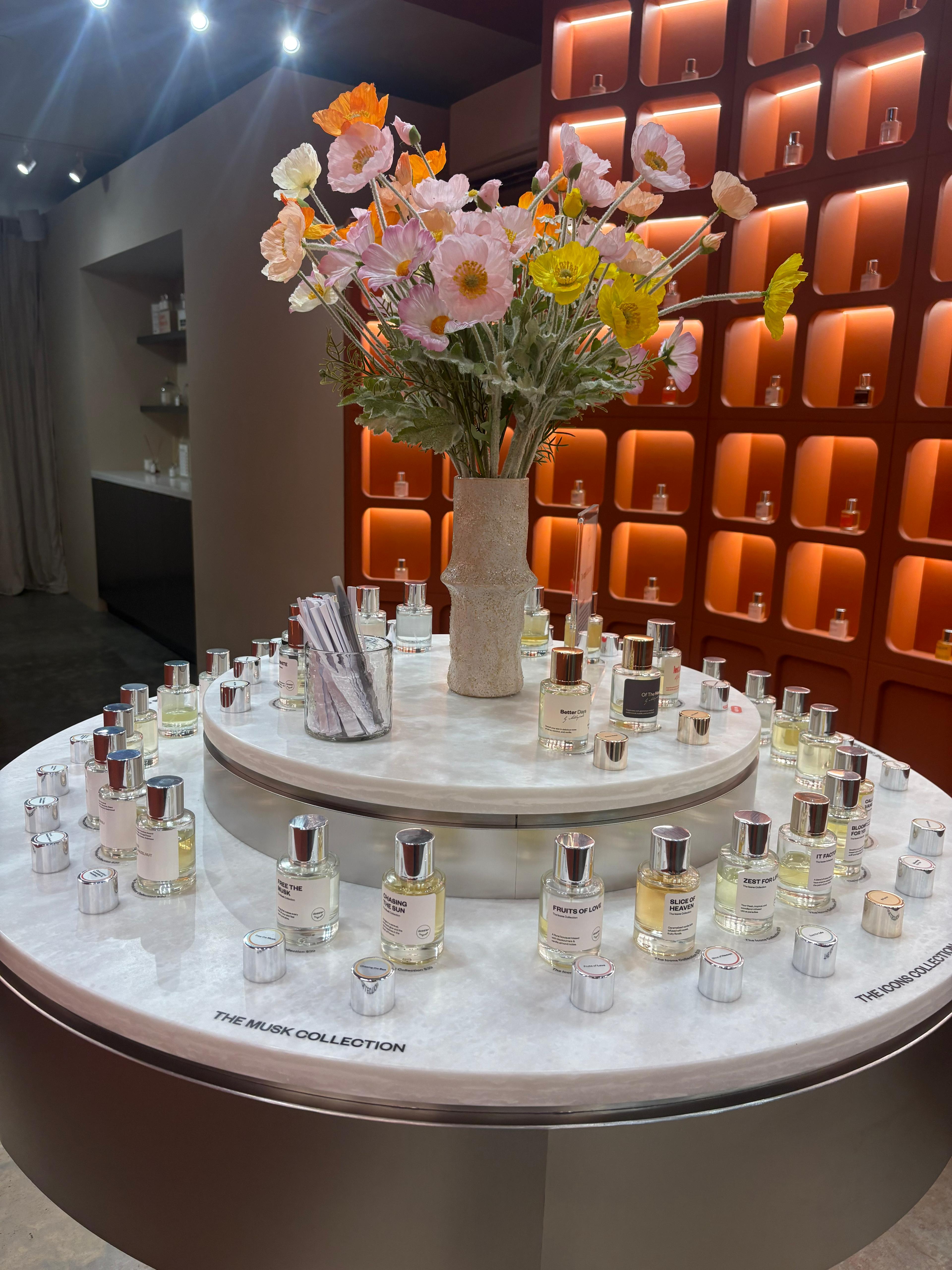
Fragrance company Dossier is a great example of this, having started life with a strategic collection of scents inspired by luxury fragrances. But it has since launched an originals collection of its own scent creations.
Dossier has also cemented itself as a trusted brand by opening a physical store in New York. This gives it legitimacy as a fragrance brand and increases discoverability of its original creations.
2. The ethical call-out
Not all dupes are about sales. Some brands and organisations see them as a way to spread a message or to call out bigger brands for their commitment to sustainability.
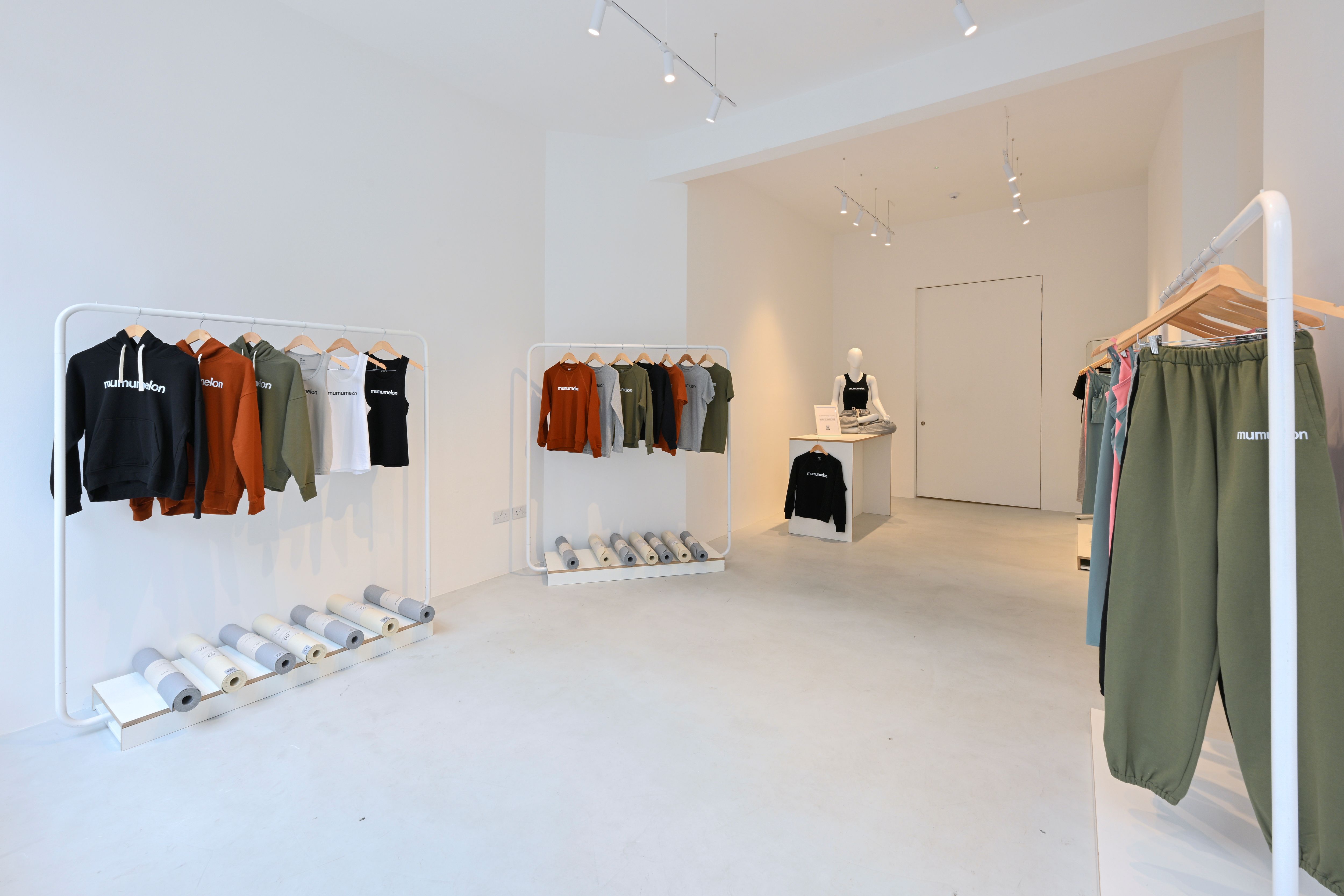
Earlier this year, creative climate studio Serious People and climate campaigners Action Speaks Louder launched a dupe campaign called Mumumelon, which was designed to prove that activewear brand Lululemon can be more sustainable than it is.
It did this by creating dupes of Lululemon’s products, which were displayed in a two-day pop-up store in London, by using renewable energy to create them.
Meanwhile, when grocery retailers Morrisons and M&S launched similar looking versions of Tony’s Chocolonely chocolate, the brand responded by highlighting its ethical point of difference and inviting the other companies to adopt similar practices.
In a statement, Tony’s said: “We’ve always said we wanted to start a movement. But if you dupe our design, what about our sourcing model too?”
Known for its transparent cocoa sourcing model that is designed to increase traceability and end exploitation, Tony’s used the conversation around similarities in design as an opportunity to try to further its mission.
3. The reaffirmation
Some brands see dupe culture as an opportunity to reaffirm the quality and attributes of their products - especially if they consider those elements ‘undupeable’.
Take Lululemon who, in response to a flurry of viral content about Lululemon dupes, offered customers the chance to swap their dupe of the brand’s Align leggings for the real product.
The brand not only believed that consumers would be able to tell the difference between the dupe and its product, but the stunt introduced Lululemon to new audiences - half of the people who swapped their dupes were new customers.
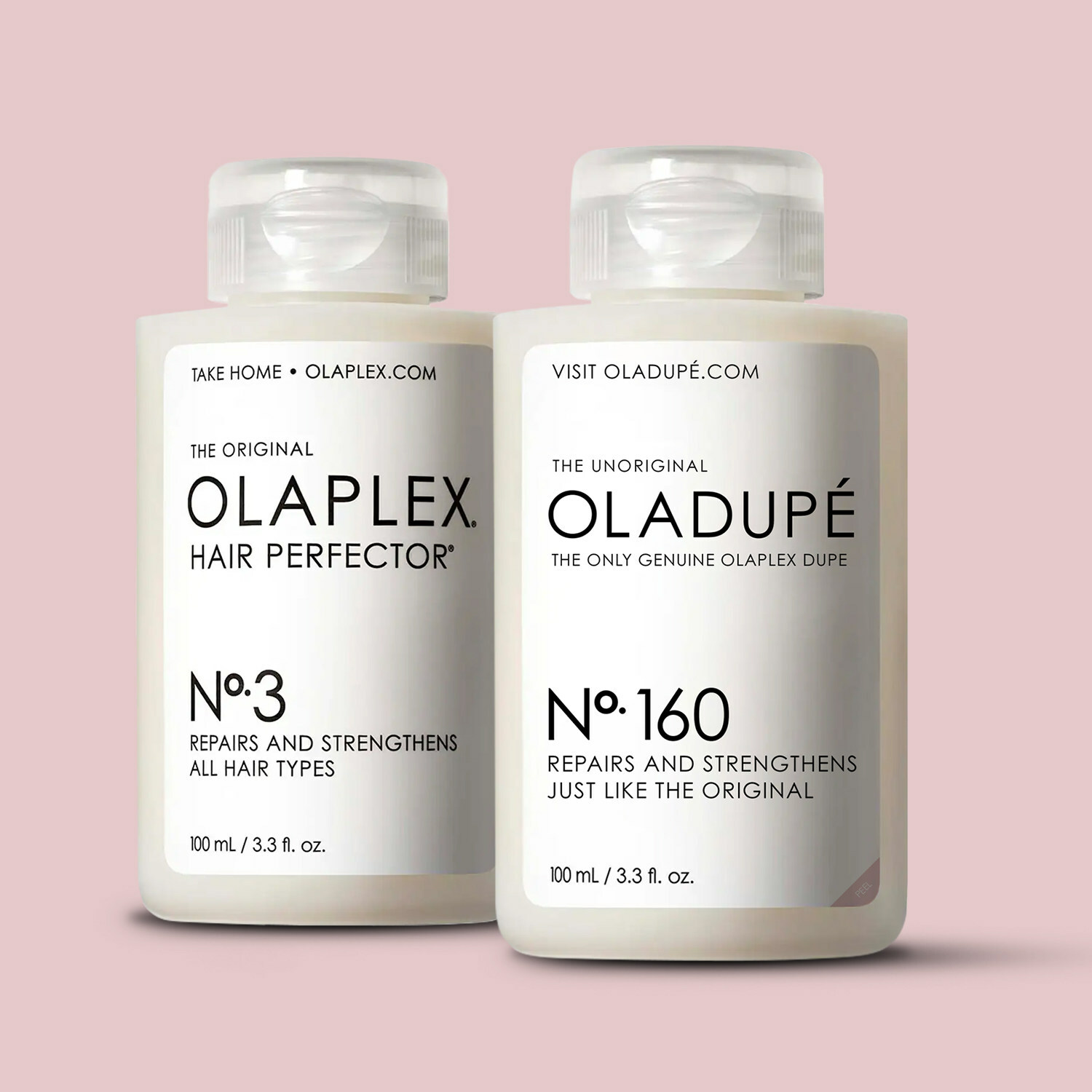
Olaplex leant into dupes as a way of highlighting its USP in a similar way with its Oladupé campaign. The brand orchestrated sponsored content with over 700 influencers that talked about an amazing Olaplex dupe called Oladupé.
Olaplex then revealed that Oladupé was actually its original product under another name, highlighting that it was unreplicable.
By Jack Stratten, Director and Head of Trends at retail trends agency Insider Trends.